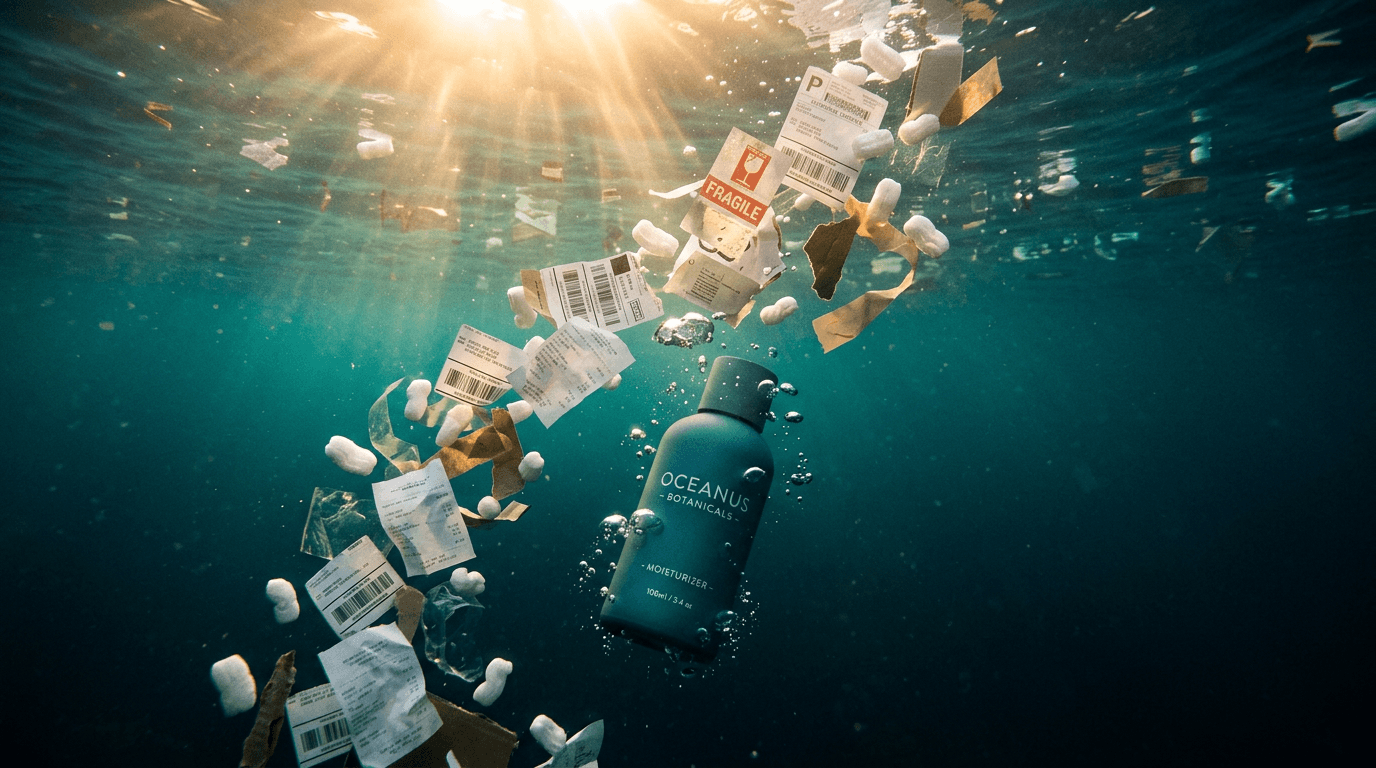
Sustainable Packaging Crunch: Will Green Brands Win Holiday 2025?
This holiday season, DTC operators are bracing for a perfect storm: record-breaking order volumes and intense scrutiny on packaging. U.S. carriers are projected to handle 2.3 billion packages during Holiday 2025, marking a 5% hike from last year’s peak (Reuters). That’s a tidal wave of boxes and bubble wrap, most of which will end up in landfills.
This isn’t just a U.S. issue. In Europe, packaging waste has surged by 20% in the past decade, with the average consumer generating nearly 190 kg of packaging waste annually (Reuters). For mid-size Shopify brands, this isn’t just logistics—it's a reputational risk and a sustainability challenge front and center for today’s eco-aware shopper.
Regulation Is Coming for Your Packaging
Ignore packaging problems at your peril. Regulatory demands are tightening rapidly. The EU’s latest mandates require all packaging to be recyclable by 2030, ban single-use plastics, and target oversized boxes (Reuters). Germany will levy a plastic tax on takeaway containers in 2025, while Japan bans PFAS chemicals and mandates recyclable plastic packaging by year-end (Packaging Gateway).
In the U.S., EPR (extended producer responsibility) laws are advancing in states like Oregon, Maine, and California, requiring brands to pay if their packaging isn’t recyclable or reusable. Global CPGs aspiring for 100% recyclable, reusable, or compostable packaging by 2025 are confronting the harsh truth: flexible plastics are challenging to replace at scale (Packaging Dive).
The bottom line? 2025 is the year when procrastination ends. Brands that adapt now will be primed—those that delay will face fines, fees, or worse: consumer backlash (Packaging Gateway).
The Cost Conundrum: Can Sustainability Scale?
Let's be real—eco-friendly packaging isn’t always the cheaper option. Compostable mailers, recycled cardboard, and sleek designs add to your P&L. Many DTC brands hesitate, wary of squeezing already-tight margins (Reuters). Economic uncertainties only complicate this decision.
So, what's the play? Some founders are daring to ask: Does this product even need a box? Jayme Jenkins of Everist, a waterless shampoo brand, articulates it well:
“As brands, it’s important to ask—does [the product] really need this external packaging?” (Thrive Market).
Whether it’s solid shampoo bars or refill pouches, cutting excess packaging can reduce both waste and cost, a strategic move as regulatory and customer pressures increase.
Meeting Customers Where They Are—Eco Matters
This isn’t just about compliance; it’s about conversion. 77% of U.S. shoppers say recyclable packaging is “extremely or very important” to their purchase decisions (McKinsey). Even more revealing: consumers overwhelmingly expect brands—not governments or individuals—to lead on sustainability (McKinsey).
Ignoring packaging could cost you. One online candle brand faced harsh reviews for their “mountain of bubble wrap.” After switching to recyclable filler and right-sized boxes, customer reviews began highlighting the positive change (Boxtopia). This isn’t just virtue-signaling—minimal, recyclable packaging feels better and elevates the unboxing experience. Millennials and Gen Z view packaging as a reflection of your brand’s values.
Innovation Under Pressure: Turning Eco Into Edge
The savviest DTC operators don’t see sustainability as a burden—they see it as an opportunity. Take Amazon: by switching to recyclable paper mailers and smarter box sizing, it reduced single-use plastic by 16% in one year, eliminating 74,000 metric tons of waste and cutting costs through lower product damage and shipping fees (Reuters). The takeaway for Shopify brands? Smart, green packaging design often aligns with operational efficiency.
Others are getting creative. In India, grocery startup Blinkit transformed delivery bags into reusable wall calendars, turning waste into a year-long brand touchpoint (LinkedIn). Many DTC teams are experimenting with right-sized boxes, paper tape, and creative print designs that encourage customers to reuse or share their unboxing on social.
For mid-size operators, you don’t need Amazon’s resources. The basics—recyclable materials, minimal excess, right-sizing, and clear messaging—are essential this year (Boxtopia). Highlight your sustainability wins in product pages, marketing emails, and social. For values-driven shoppers, it’s often a deciding factor.
Success stories sell. Brands like Ethique—whose plastic-free shampoo bars have kept 20+ million bottles out of landfills—use these stats as anchors for loyalty and word-of-mouth (Thrive Market). If you’ve got a win, flaunt it.
The Operator’s Checklist for Holiday 2025
- Audit your packaging: Where can you right-size, eliminate plastics, or switch to more recyclable materials?
- Know your markets: Stay ahead of new regulations in every region you serve.
- Let customers know: Make sustainability visible in your marketing and unboxing experience.
- Leverage your wins: Stats and stories matter—share them.
The Takeaway: Green Is the New Table Stakes
The data is clear: sustainable packaging is no longer a differentiator—it’s the ante to play. Operators who move fast, collaborate with suppliers, and engage their communities will turn the “packaging crunch” into a competitive edge. Those who don’t? Expect higher costs, legal headaches, and customers who quietly click away to greener pastures.
As Kristin Moore of Humble Brands put it:
“The more our industry works to eliminate plastics and choose more sustainable options for packaging, we increase the demand for alternatives… We all have to work together to overcome these obstacles” (Thrive Market).
Green brands are poised to win Holiday 2025—and this time, the planet wins too.
Subscribe for weekly DTC insights.