Same-Day Delivery Showdown Raises the Bar for Shopify Brands
In early August 2025, a new study made one thing crystal clear: Walmart now edges out Amazon in same-day grocery delivery—48% of its grocery customers opt for it vs. 36% for Amazon. Even for mixed carts, Walmart still leads 41% vs. 29% (PYMNTS).
 PYMNTS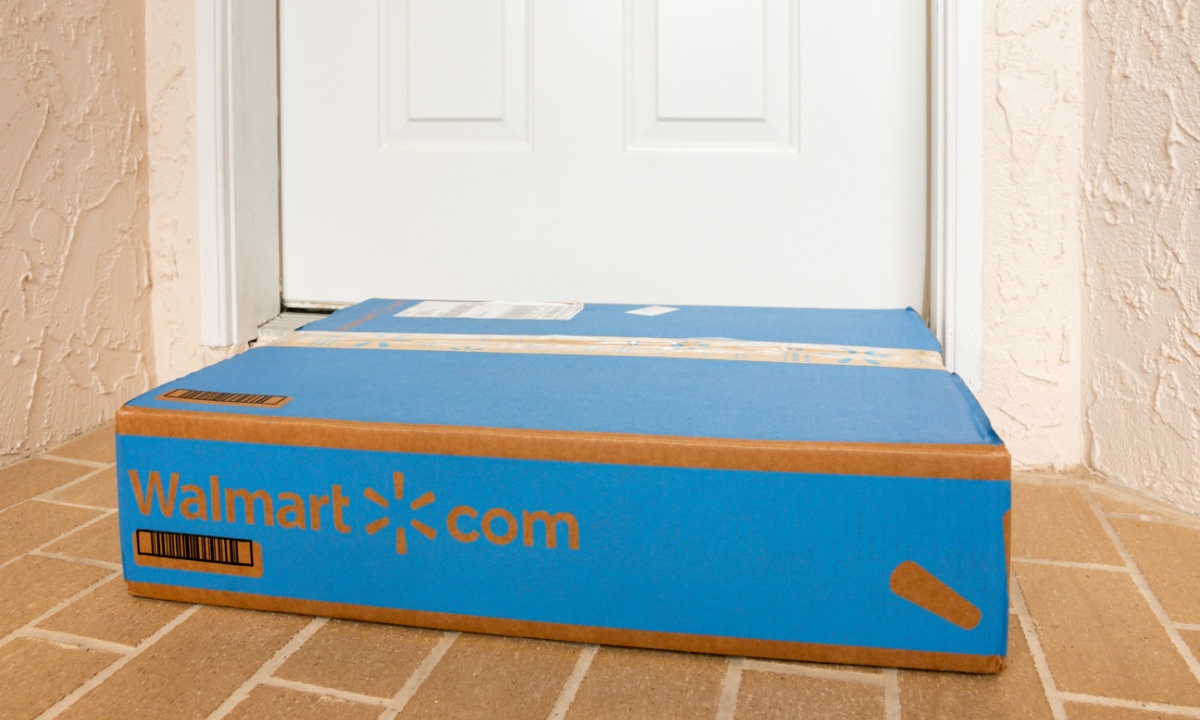
Amazon isn’t sitting still: it’s rolling out same-day and next-day delivery to 4,000 more towns, setting up local delivery stations so even folks in Monmouth, Iowa can get kitchen staples within hours (Business Insider).
 Dominick Reuter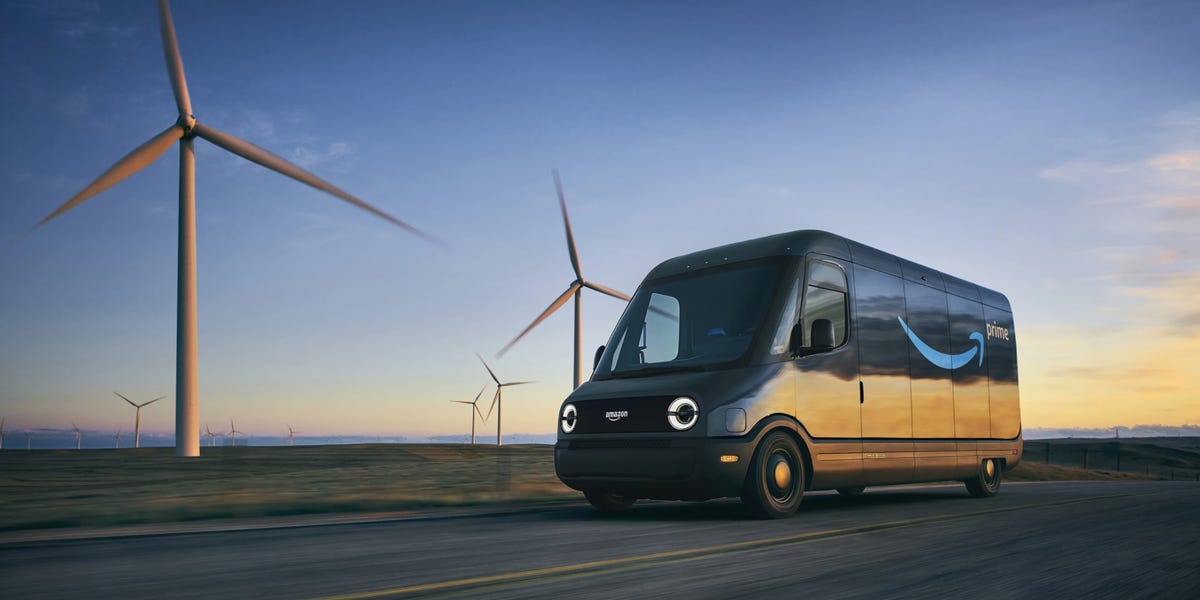
For Shopify DTC operators, here's the hard truth: fast shipping no longer turns heads—it’s now expected. Let’s talk reality and how you can keep pace.
Speed Isn’t a Luxury, It’s a Minimum Viable Promise
Here’s how speed has become table stakes:
- 86% of U.S. shoppers define “fast” as two days or less, and 63% will bail if that isn’t an option (OnTrac).
- 67% say same-day options make them more likely to buy.
- 43% report abandoning carts due to slow shipping.
- Gen Z and Millennials are twice as likely to walk if shipping exceeds 3 days (OpenSend).
A recent Inc. report found 40% of consumers will abandon a DTC brand for a competitor if the competitor offers faster, free shipping. One mid-size apparel founder echoed this last week:
“We didn’t lose that sale because of price or product—it was because our shipping window was 5 days and the customer found it elsewhere in 2. That’s the reality now.”
Prime has reset expectations. Customers want speed, but more importantly—they expect you to match the best option they see on the market.
Why Shopify Brands Struggle to Keep Up
Same-day isn’t common—just 15% of e-com retailers offer it today—even though 99% say they'll do it by 2025 (Glossy). Nick Blanchet, co-founder of Ohi, puts it bluntly:
“Same-day delivery only makes sense when you’re doing 3–5K orders monthly—and you’ve got at least 1,000 units in each micro-fulfillment node.”
The upside? Gig-economy logistics cut intra-city delivery costs from $40+ to about $10. But those “expedited fees” need volume and tight zones to stay sane.
Play Your Speed Card Smartly (Without Losing Money)
You don’t need a logistics empire to win on fulfillment:
- Pilot metro-first: Skims delivers in 2 hours in LA via Uber and micro-warehouses; Todd Snyder offers same-day in NYC only. Pick your strongest market and test the model locally.
- Go 2-day national via 3PLs: Providers like ShipBob or Shopify Fulfillment Network can take you from 5–7 days to 2–3 across the map—often a high-ROI move.
- Gig networks = fast without fleets: Platforms like DoorDash or Roadie integrate with Shopify, letting you offer same-day locally without owning drivers.
- Leverage local pickup (BOPIS): 59% of customers want click-and-collect options. Partner with boutiques or even use UPS Access Points for flexible, low-cost options (WizzCommerce).
- Communicate clearly: A tight, honest shipping promise beats overpromising. 62% value accurate timing more than fast (Capital One Shopping).
Not All Products Need Overnight Shipping
Some categories, like grocery or personal care, make ultra-fast delivery a no-brainer. Customers expect it.
But fashion shoppers are cool with 2–3-day delivery (OpenSend). Average delivery times in fashion dropped from 6.5 to 4.2 days in recent years.
Luxury or made-to-order products can lean on experience, not speed. The real edge is knowing your audience and their readiness for delivery speed.
Speed Drives Growth—Just Be Consistent
Key outcomes from same-day deployment:
- 66% of brands report higher conversion rates.
- 77% gain new customers.
- 80% see higher average order values (Roadie).
That “wow” factor can be mission-critical—but only if you keep your promises. 68% say they’ll never return after a bad delivery experience (OpenSend).
One operator shared this:
“We surprised with same-day instead of 2-day—and saw a 14% bump in repeat orders. Speed as delight beats speed as deadline.”
Surprise—consistent, thoughtful surprise—wins loyalty without breaking promises.
In summary? The big players have redrawn speed expectations. But Shopify brands can compete—smartly. Go local, leverage partners, and be crystal-clear with delivery promises. Speed isn’t just a checkbox; it’s an extension of brand trust.
Subscribe for weekly DTC insights.