DTC’s New Frontiers: 2025’s Breakout Brands in Untapped Niches
In 2025, direct-to-consumer (DTC) brands shattered the mold, diving into "fringe" categories like zero-proof beer, hormone health, sexual wellness, and functional candy. These aren't just buzzwords—they're billion-dollar markets in the making. With the share of Americans who drink alcohol at a historic low of 54% (Forbes), there's a ripe opportunity for savvy founders to capitalize on shifting consumer habits. Let's break down how 2025's breakout DTC categories can redefine your growth strategy—and why it matters for the future.
The Zero-Proof Revolution: Non-Alcoholic Drinks Go Mainstream
If you bet on the sober curious movement, 2025 was your year. Non-alcoholic beverages have officially hit the mainstream, driven by health-conscious Gen Z and millennials. This sector has crossed the $1 billion mark in annual off-premise sales, with a 22% YoY increase, while online DTC sales skyrocketed by 208% (LinkedIn).
 Drink Dry
While non-alcoholic beer still holds the lion's share (83% of NA beverage sales), alcohol-free spirits and mocktails are rapidly gaining ground, with sales up 70% year-over-year (Forbes).
Take Athletic Brewing Co. as a prime example. In 2025, it became the 8th-largest U.S. craft brewery by volume—a first for a non-alcoholic brand (DTC Live). Their $50M raise at a near-$800M valuation confirms that this "niche" is not only mainstream but investor-validated (DTC Live).
The challenge now? Stand out in a crowded market. The non-alc category is bustling with new entrants (Dry Atlas). So how do you win? Embrace wellness, sobriety, and sustainability, but differentiate with community, retention, and exceptional customer experience.
Wellness Niches Unlocked: Sexual Health and Hormonal Harmony
Forget one-size-fits-all vitamins. 2025's real wellness surge was in hyper-specialized, once-taboo categories like sexual wellness and hormone health.
Sexual wellness, previously a retail afterthought, entered the mainstream with a 59% sales increase in 2025 (Glossy). Brands like Maude and Dame successfully destigmatized these products by focusing on education and community. The strategy? Meet customers where they are, educate them, normalize the conversation, and build trust.
 Lexy Lebsack
Hormonal health also saw explosive growth across areas like perimenopause and fertility. For the first time, products and content were tailored specifically for menopausal women (Glossy). Startups like Womaness and Kindra capitalized on this momentum, while younger consumers fueled interest in longevity ingredients like NAD+ (Glossy).
For founders, the key takeaway is clear: niche is leverage. Personalization and community trump broad claims. Many early-stage brands falter by chasing influencer trends without focus (LinkedIn). In 2025, the winners chose a lane, built trust, and executed with discipline.
Candy-Coated Wellness: Gummies and Functional Treats Break Out
Wellness isn't just about green powders and massive supplements anymore. In 2025, the "candy-ification" of wellness took off. The fastest-growing supplement brands aren't pushing capsules; they're selling gummies by the millions.
Grüns is a textbook example. Launched in 2023, its chewy green superfood gummies reached a $300M annual revenue run-rate within 24 months, shipping over 4 million gummies daily (Modern Retail). Why the rush? Consumers prefer wellness that tastes good and feels simple. The gummy format drives mass adoption, attracting adults who wouldn't touch a green powder but love a chewy treat.
 Gabriela Barkho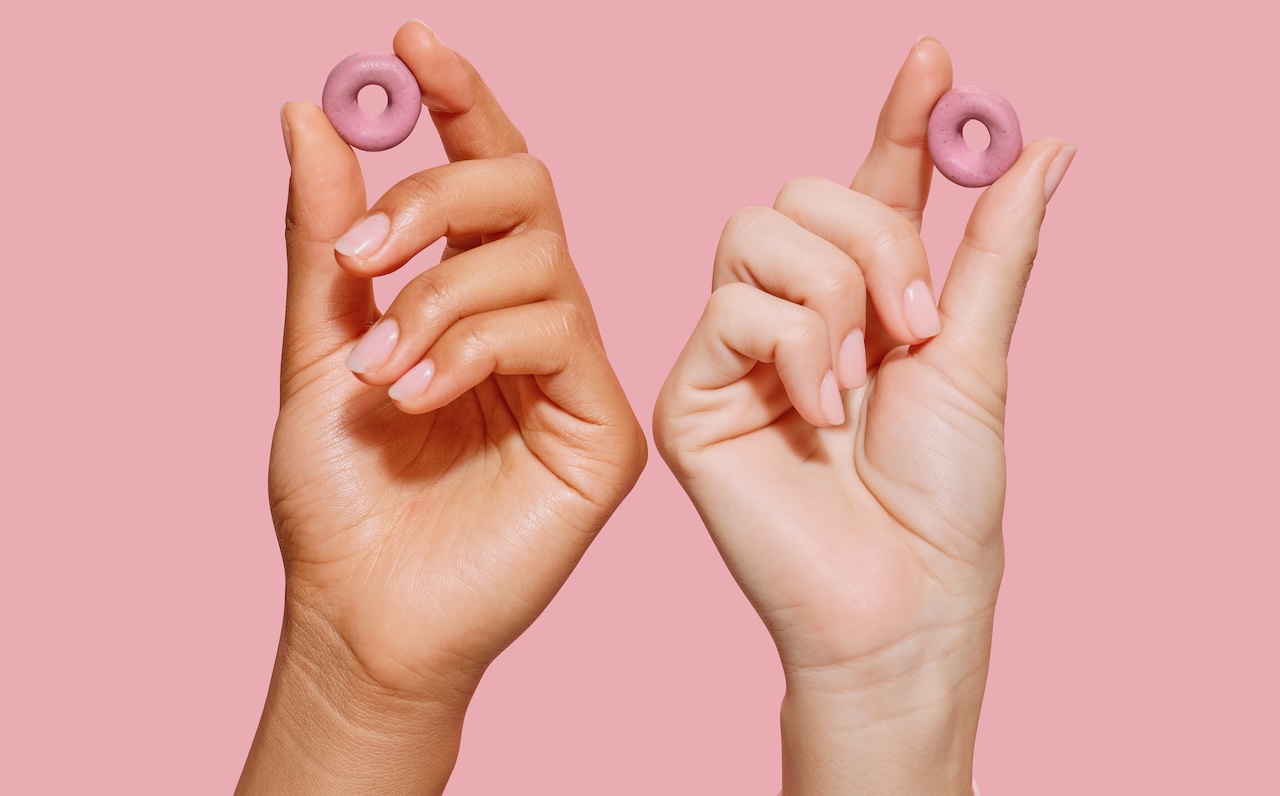
It's not just Grüns. Established supplement companies are racing to launch their own gummies, with every niche—from sleep to gut health—offering a "functional candy" variant. For operators, the lesson is simple: format innovation is as powerful as ingredient innovation. Make your product more accessible and enjoyable, and you unlock a stickier, broader customer base (Modern Retail).
Operator Takeaways: The 2025 DTC Playbook
What unites these breakout categories? Focus, foresight, and relentless customer intimacy. Athletic Brewing turned "beer without beer" into an $800M valuation, showing that nimble brands can outmaneuver legacy giants (DTC Live). Olipop now commands 60% of the global prebiotic soda market (DTC Live). Sexual wellness is now a department store staple, and a gummy bear can be a $300M nutrition business.
The lesson: identify unmet demand, move before the herd, and build authentic community. The DTC playbook of the 2010s—scattershot ads and blitz scaling—is outdated. As Ashvin Melwani of Obvi notes,
“What got Obvi to $100M... would bankrupt most brands today. The DTC playbook has completely flipped” (DTC Live).
 Aleena Hassan
2025’s winners thrived on deep customer understanding, value-added content, and patience. They ventured where legacy brands wouldn't and doubled down on education, trust, and connection—not just conversion.
2026 and Beyond: Where Founders Should Be Looking
If you're a mid-sized DTC operator, it's time to identify the next white space. Target categories and communities that legacy players overlook. Be prepared to zig while others zag—launch the non-alc craft brew while everyone else pushes seltzer, or create the menopause kit that big brands shy away from. Once you find your moment, commit with unwavering tenacity.
The reward? Not just a hot product cycle, but the chance to define a new market.
Subscribe for weekly DTC insights.