What the Fastest-Growing DTC Brands Have in Common (and What Slows the Rest Down)
Most DTC brands are trying to squeeze 10% growth out of bloated acquisition costs. A few are casually racing to $50 million.
In a June 19 breakdown, Eli Weiss dissected the new class of rocketship brands—DTC startups hitting $30–$50M in revenue within one or two years (Eli Weiss). Think AG1, OLIPOP, Create, Mixtiles. No gimmicks. No massive funding rounds. Just smart execution on boring fundamentals.
We revisited that playbook in light of July’s market headwinds—and the pattern still holds. Here's what the fastest-growing Shopify brands are doing right (and where others are burning cash for slower results).
1. They Don’t Invent New Categories—They Make Existing Ones Obvious
Breakout brands rarely start from scratch. They pick a known product—and make it undeniably better.
| Brand | Category | What They Improved |
|---|---|---|
| Mixtiles | Photo printing | Frictionless UX, modernized format |
| Fresh Sends | Flower delivery | Gen Z-friendly aesthetic and packaging |
| Create | Supplements | Clean branding, approachable voice |
| Grüns | Vitamins | Format, flavor, and lifestyle appeal |
Solving a problem that customers already understand = less friction, faster adoption, and lower CAC. As Weiss put it: “Solving a known problem in a better way often beats inventing something new.”
You don’t need to be first. You need to be better—and obvious about it.
2. One Killer Product > 15 Half-Decent Ones
Most of these brands went big by going narrow.
| Brand | Early SKU Focus | Revenue Outcome |
|---|---|---|
| AG1 (Athletic Greens) | 1 hero product | ~$500M business (Eli Weiss) |
| OLIPOP | <15 SKUs | ~$500M run rate (Eli Weiss) |
| Create | 1 core product | $50M+ momentum within 18 months (Eli Weiss) |
Now compare that to:
| Brand | SKU Expansion Strategy | Outcome |
|---|---|---|
| Allbirds | Shoes → apparel + retail | Stock down ~99% from IPO (Drew F, LinkedIn) |
| Casper | Beds → multiple products | Taken private at a steep loss |
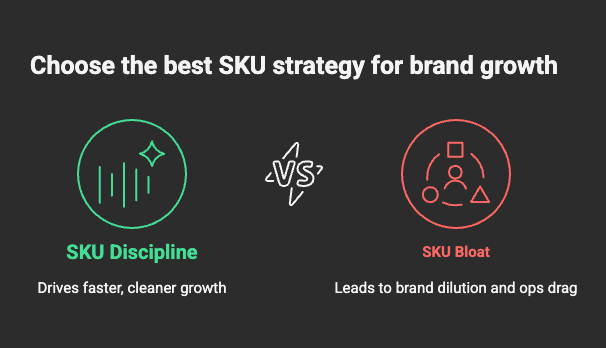
More SKUs usually means more ops complexity, slower execution, and muddier positioning. Less really is more—especially when your one product has real staying power.
3. The Product Actually Works (And Customers Talk About It)
“You can have the best welcome flow in the world,” Weiss wrote. “None of it will get you a second order if customers hate what they bought.”
Every rocketship brand delivers on its promise. They’re not pushing white-labeled dropship junk. They control production, obsess over quality, and create a product worth reordering.
The common thread?
| Trait | Why It Matters |
|---|---|
| Product surprise & delight | Fuels retention and organic growth |
| Clear customer benefit | Reinforces word-of-mouth sharing |
| Operational control | Enables consistency and trust |
If customers open the box and think, “This is better than I expected,” you're winning. If they don’t, they won’t be back—no matter how clever your lifecycle emails are.
4. They Build a Brand—Not Just a ROAS Machine
“Performance marketing fills the funnel,” Weiss said. “Brand is what makes people want to stay in it.”
Rocketship brands layer brand-building into everything. They're not just running paid ads—they're crafting a vibe, building community, and embedding their product into culture.
Tactics we’re seeing in play:
| Brand Investment | Resulting Advantage |
|---|---|
| Content + storytelling | Stickier customer relationships |
| Loyalty programs & UGC | Higher retention, lower CPA over time |
| Community (FB, Discord, etc.) | Customer feedback + repeat engagement |
In 2025, with Meta CPAs up 13% YoY, brand-driven loyalty isn’t optional. It’s what keeps you alive when ad costs spike.
5. They Scale With Smart Ops, Not Headcount
The best brands aren’t hiring 100 people—they’re hiring 10 smart ones and giving them leverage.
| Brand | Ops Strategy | Result |
|---|---|---|
| True Classic | 30% offshore team | Scaled to $100M in 2 years (Nik Sharma) |
| Multiple rocketships | 50–80% offshore staff | Cut payroll, reinvested in growth |
| Legacy DTCs | HQ-heavy, bloated ops | Higher burn, less flexibility |
Operators like Nik Sharma are blunt: “Offshore + AI = lean execution + faster iteration. And you save up to 80% on payroll.”
Scrappy ops = more cash for product, marketing, and margin. No investors required.
The Rocketship Playbook (2025 Edition)
This isn’t about hacks. It’s about being excellent at the basics:
- Improve something that already exists
- Focus on one SKU and make it sing
- Nail product quality and retention
- Build a brand, not just a funnel
- Stay lean, stay fast
That’s how the fastest-growing Shopify brands are hitting $50M+ in revenue in 18–24 months. And why the brands chasing virality or SKU bloat? They’re running in place.
Subscribe for weekly DTC insights.