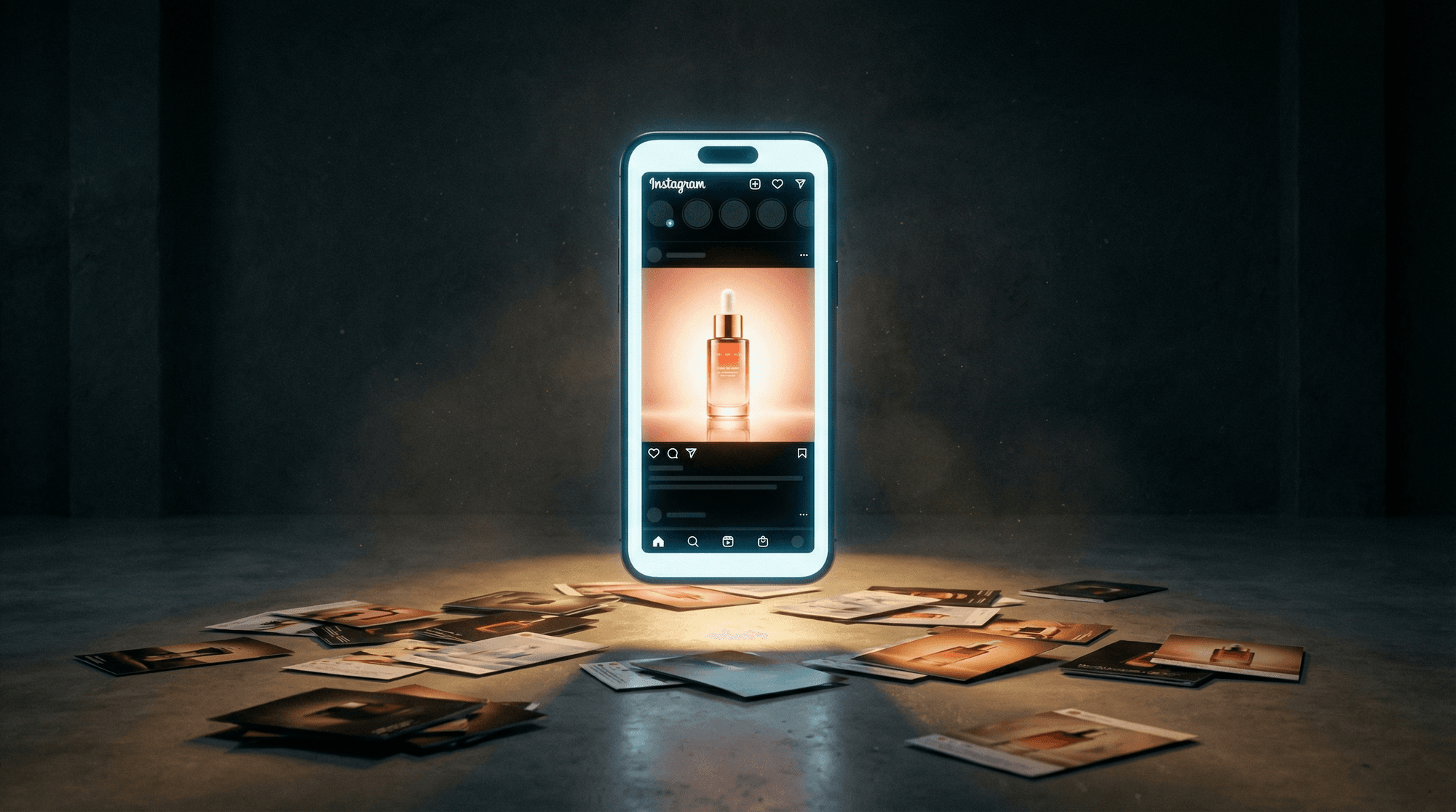
Can a Two-Year-Old TikTok Brand Really Be Worth $1B?
When e.l.f. Beauty announced its $1 billion acquisition of Hailey Bieber’s skincare brand Rhode in May 2025, the DTC world did a collective double take. A two-year-old brand. Minimal SKUs. Built on TikTok. Worth 10 figures? That’s not just a win for celebrity-powered marketing—it’s a statement about where beauty, influence, and commerce are headed.
This breakdown unpacks the deal terms, how Rhode scaled so quickly, and—most importantly—what non-celebrity founders should take away from it.
Inside the Billion-Dollar Deal
Let’s start with structure. e.l.f. Beauty paid $600 million in cash, $200 million in stock, and agreed to a $200 million earn-out tied to performance milestones (Retail Dive).
Rhode posted $212 million in net sales in 2024, which puts the total deal at around 4.7x sales (Reuters). That’s a steep multiple in a soft beauty market.
By comparison, e.l.f.'s previous acquisition—Naturium—was done at a ~$355M valuation on 4x sales just a year earlier (Beauty Independent).
“It’s a big bet in a tough market.”
—Drew Fallon, DTC founder (Beauty Independent)
Still, e.l.f. CEO Tarang Amin called out Rhode’s high-margin model and viral product velocity as key factors justifying the premium (TechFundingNews).
Rhode’s Rise: Built for the Algorithm
Rhode wasn’t just a skincare line. It was a viral machine with operational discipline.
- Hero product first: The Peptide Lip Treatment led the charge, creating 300,000+ waitlists (TechFundingNews).
- Follower firepower: Hailey Bieber’s 55M Instagram and 15M TikTok audience gave the brand built-in launch velocity (Beauty Independent).
- SKU restraint: Rhode launched and scaled with just 10 products, keeping ops tight and demand high (Retail Dive).
- Gen Z native: Over 70% of Gen Z beauty purchases are influenced by social media, and Rhode was designed for that ecosystem (Be Bold Digital).
Amin noted that Bieber isn’t just a face—she’s actively involved in product development. That credibility matters, especially to Gen Z.
Influencer Brand Comparables: What’s Realistic?
| Brand | 2023–2024 Revenue | Valuation | Notes |
|---|---|---|---|
| Skims | $750M | $4B (~5.3x sales) | Multi-channel, highly profitable, IPO-ready (Sacra) |
| Rare Beauty | $400M+ | $2B (unsold) | Growth stalled; paused sale process (Beauty Independent, Axios) |
| Feastables | $250M | N/A | YouTube-fueled CPG rocket from MrBeast (Economic Times) |
| Kylie Cosmetics | N/A | N/A | Strong early sales, but lost steam post-acquisition (Beauty Independent) |
Not all influencer brands scale sustainably. Skims did it with distribution and margin. Feastables used virality and novelty. Rare Beauty and Kylie show how fragile valuation can be without backend discipline.
What Non-Celebrity Founders Should Actually Take Away
No, your brand isn’t going to be Rhode. But the blueprint is still useful.
- Community over celebrity: You don’t need 70M followers to build a loyal base. Start with niche, build with voice.
- SKU clarity wins: Rhode didn’t scale with 50 products—it scaled with one perfect one and operational discipline.
- Be social-native: TikTok isn’t optional. 70% of Gen Z beauty buying starts there (Be Bold Digital).
- Strong values = sticky brand: Gen Z cares about ethics, sourcing, inclusivity. Bake it into the brand early.
Valuations: Stay Grounded
“The new market comp is 4x revenue… only if you’re the It-Girl of the decade.”
—Sean Frank
“The new market comp is 4x revenue”
— Sean Frank (@SeanEcom) May 28, 2025
….
Only if you are the IT GIRLIE of the decade* https://t.co/MW745E9SQY
For the rest of us? 1–2x revenue—maybe less. And only if you’re profitable.
It’s easy to get caught up in unicorn headlines. But long-term value still comes from margin, repeatability, and retention. Not hype.
Why This Matters for e.l.f.
This move shifts e.l.f. from mass to premium and gives them a beachhead in DTC. If Rhode delivers, it becomes e.l.f.’s gateway to Sephora-level credibility.
But that outcome isn’t guaranteed. Investor Manica Blain noted the challenge will be preserving Rhode’s cultural equity while scaling into mass without losing its edge (Beauty Independent).
The earn-out structure helps hedge that risk—but execution will be everything.
Final Take
Rhode’s $1B acquisition proves influencer brands can command real value—when backed by product quality, operational tightness, and cultural momentum.
But this isn’t a playbook for celebrity-led brands alone. It’s a prompt for every DTC founder to double down on:
- Sharpened positioning
- Fewer, better SKUs
- Tighter ops
- Clearer values
If Rhode rewrote the celebrity DTC script, non-celebrity brands still have time to write their own.
Subscribe for weekly DTC insights.