Buy Now, Pay Later in 2025: Booming Use Meets Regulatory Reckoning
If you’re running a DTC brand in 2025, BNPL isn’t just another button at checkout—it’s how millions of Americans expect to pay. U.S. shoppers financed $82.4 billion in online purchases using BNPL in 2024, up nearly 10% YoY (Reuters). By August 2025, we’d already hit $56.3 billion—well on pace to shatter last year’s record.
But here’s what matters for operators: BNPL isn’t just for big splurges anymore. One in five BNPL users now use it for groceries (LinkedIn News), and 30% are financing everyday essentials (Financial Times). The average BNPL loan size has dropped from $760 in 2020 to $372 in 2025 (Financial Times), signaling that “pay later” is now for the everyday, not just the extravagant.
 Saundra Latham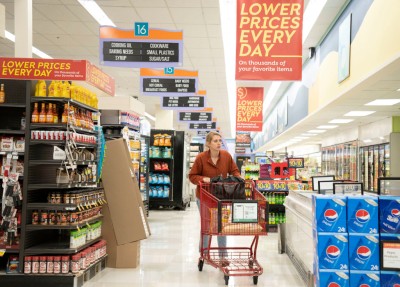
With 90 million Americans projected to use BNPL this year (Axios), this isn’t a side channel—it’s a fundamental rewiring of how people shop.
For DTC Brands, BNPL Is No Longer Optional
Let’s get tactical: If you’re on Shopify and not offering BNPL, you’re bleeding conversions. During the 2023 holiday season, BNPL usage spiked 12% YoY to $16.6 billion, making up as much as 20% of online holiday orders in some verticals (Direct To Consumer).
The upside is real:
- AOVs are 87% higher when BNPL is used (Direct To Consumer).
- Conversion rates jump 30–35% for brands adding BNPL (Direct To Consumer).
- 66% of BNPL users say they’ll bounce if their preferred “pay later” isn’t offered (Direct To Consumer).
- 34% wouldn’t have purchased at all without installments (Direct To Consumer).
As the Pilothouse team puts it:
“BNPL is less about luxury and more about liquidity.” (Direct To Consumer)
The Flip Side: Debt, Defaults, and a Reality Check
Let’s not sugarcoat it: BNPL’s convenience is a double-edged sword. While delinquency rates are still lower than credit cards (under 2% for BNPL, vs. 7% for cards, per Reuters), late payments are rising. 41% of BNPL users paid late at least once in the past year—up from 34% the year before (LendingTree).
Stacking multiple BNPL plans is now common, and 70% of BNPL users also carry credit card debt (Reuters). For many, BNPL is a lifeline, not just a perk—a sign of the times as consumer debt hits new highs (Financial Times).
As one DTC analyst put it: “When folks start using buy now, pay later to cover groceries, we’ve officially moved past ‘fun payment perk’ territory.” (Direct To Consumer)
Regulation Is Coming—Fast
The Wild West era is ending. The Consumer Financial Protection Bureau (CFPB) is rolling out rules to bring BNPL in line with credit card protections—think standardized disclosures, dispute rights, and more (Reuters). No, they’re not mandating full credit checks for short-term “pay-in-four” plans (Reuters), but the compliance bar is rising.
Credit bureaus are catching up, too. FICO is integrating BNPL data into new credit score models (Axios), and Affirm is reporting repayments to Experian. Klarna and Afterpay are holding back for now, worried about how fairly scores will treat short-term loans (Axios). With 90+ million Americans using BNPL, expect more pressure for transparent, representative credit reporting (Axios).
Globally, the UK and Australia are moving to bring BNPL under full financial oversight, with affordability checks and credit card-style protections (Financial Times). The message: BNPL has to grow up.
Holiday 2025: What Smart Operators Should Expect
Adobe Analytics is projecting U.S. holiday BNPL spend to hit $18.5 billion, up 11% YoY (Reuters). Shoppers are looking for ways to stretch their dollars, and DTC brands are meeting them with aggressive “$0 upfront” messaging, especially on Shopify with Shop Pay Installments.
But here’s the nuance: As BNPL gets regulated and credit bureaus start tracking it, some friction will return. Think: more disclosures, slightly tighter approvals, and a customer base that’s a bit more cautious. The gold rush is over, but the market is far from saturated.
The Bottom Line
BNPL isn’t going away—it’s just entering a new era. For DTC operators, the winners will be those who adapt fast, prioritize transparency, and build real trust at every touchpoint. That means offering flexible payments, yes, but also doubling down on the human elements that set your brand apart.
Holiday 2025 will be a stress test. The brands that thrive will be those who see BNPL as more than a widget—they’ll see it as part of a bigger, smarter customer experience.
Subscribe for weekly DTC insights.